
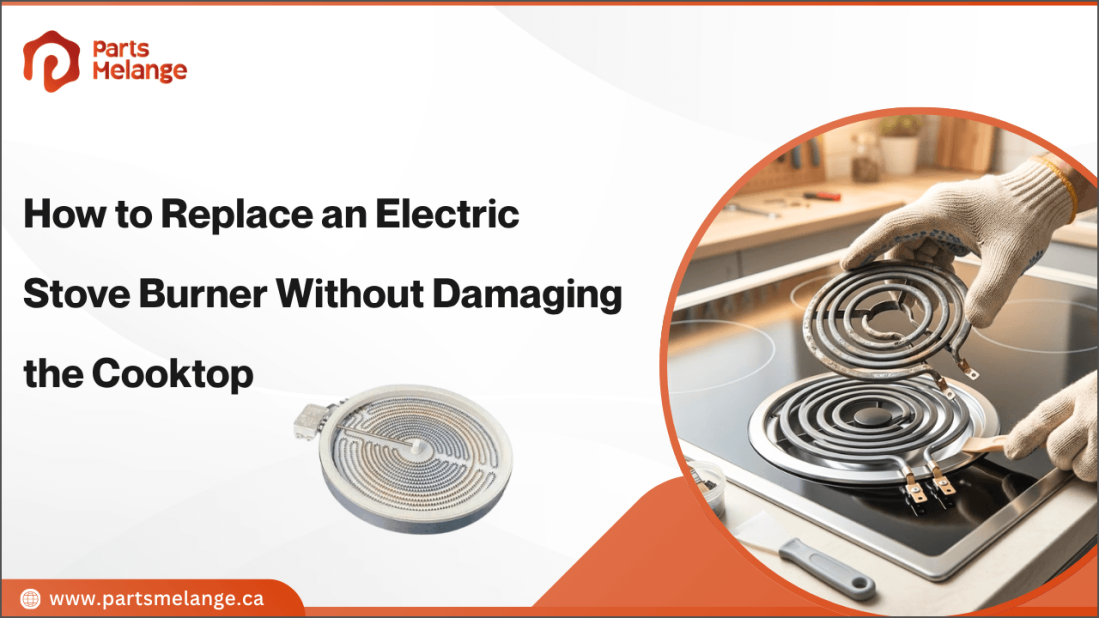
An electric stove burner is one of the most used parts of a kitchen appliance, providing the heat needed for daily cooking. Over time, burners can wear out due to frequent use, electrical faults, food spills, or damaged connections, leading to slow heating, uneven temperatures, or complete failure.
Replacing a faulty burner can help bring back proper cooking performance, but removing or installing the part incorrectly may damage the burner receptacle or cooktop surface. Following the correct replacement method ensures a safe repair without causing additional problems.
This blog explains electric stove burner replacement steps, problems, and maintenance tips to keep your cooktop working safely.
Understanding Electric Stove Burners and When They Need Replacement
Electric stove burners convert electrical energy into heat for cooking. In coil-style ranges, electricity passes through a resistance wire inside the burner to generate heat, while smooth-top stoves use radiant heating elements installed beneath the glass surface.
The two main types of electric stove burners include:
Coil burners: Removable heating elements used in traditional electric ranges. They connect through a burner receptacle and can usually be replaced easily.
Radiant heating elements: Heating zones located under glass or ceramic cooktops that require more involved replacement procedures.
A burner replacement is usually needed when the heating element fails, the internal wire is damaged, or the burner has physical damage that affects operation. Before buying a replacement, check these specifications:
Burner size: Match the diameter, such as 6-inch or 8-inch, to ensure proper cookware contact and even heat distribution.
Wattage rating: Electric burners typically operate between approximately 1,200W and 2,600W, depending on their size and design. Matching the wattage helps maintain proper heating performance and electrical compatibility.
Connector type: Ensure the burner terminals match the existing receptacle for a secure electrical connection.
Selecting the correct replacement burner based on these specifications helps maintain safe operation and prevents compatibility issues during installation.
Shop high-quality home appliance replacement parts at PartsMelange to keep your stove working efficiently. Find durable replacement components such as electric stove burners, burner switches, heating elements, knobs, and more to restore performance and maintain your appliance.
Common Electric Stove Burner Problems, Causes & Warning Signs
Electric stove burners can develop issues due to heating element wear, electrical connection problems, or damaged supporting components. Identifying the exact problem helps determine whether the burner needs replacement or if another part, such as the receptacle or control switch, requires attention.
The table below highlights common electric stove burner problems, their possible causes, and warning signs:
Burner Problem | Possible Causes | Warning Signs |
Burner Not Heating | Failed heating element, faulty switch, loose connection | Burner remains cold even when turned on |
Uneven Heating or Hot Spots | Damaged coil, poor electrical contact, warped burner | Food cooks unevenly or some areas heat faster |
Burner Sparks or Shorts Out | Damaged insulation, exposed wiring, burned terminals | Sparks, popping sounds, or electrical odor |
Burner Cycles On and Off Frequently | Weak connection, faulty control switch, aging element | Burner struggles to maintain consistent heat |
Damaged Burner Receptacle | Burned contacts, melted socket, loose connection | Burner fits loosely or heats intermittently |
Loose or Burned Electrical Connections | Overheating, worn terminals, improper contact | Discolored wires, melted insulation, burn marks |
Burner Surface Is Warped or Cracked | Physical impact, overheating, damaged element | Burner sits unevenly or cookware becomes unstable |
Burnt Smell or Visible Burn Marks | Grease buildup, electrical damage, overheated components | Burning odor or dark marks around burner area |
Understanding these problems helps identify the faulty component and determine whether the burner needs replacement.
How to Replace an Electric Stove Burner Step-by-Step Process
Replacing an electric stove burner is a straightforward repair for most coil-style ranges, but proper handling is important to avoid damaging the burner receptacle, wiring, or cooktop. Before starting, confirm that the replacement burner matches the original size, wattage, and connector type.
Step 1: Disconnect Power to the Stove
Turn off the stove and unplug it from the power outlet. For hardwired ranges, switch off the circuit breaker before removing the burner.
Step 2: Allow the Burner to Cool Completely
Wait until the burner is completely cool before handling it. Heating elements can remain hot after use and may cause burns.
Step 3: Remove the Old Burner
Lift the burner slightly and pull it straight out from the receptacle. Avoid twisting or forcing the burner to prevent damage to the terminals or socket.
Step 4: Inspect the Burner Receptacle
Check the receptacle for burn marks, melted plastic, loose contacts, or corrosion. Any damaged connection should be repaired before installing a new burner.
Step 5: Install the Replacement Burner
Align the new durable stove coil burner terminals with the receptacle openings and push it firmly into place. Make sure the burner sits evenly on the cooktop surface.
Step 6: Restore Power and Test the Burner
Reconnect the power and turn on the burner to confirm it heats evenly. Check for unusual sounds, sparks, or burning smells during testing.
When to Call a Professional for Electric Stove Burner Issues
A coil burner replacement can often be completed safely, but some problems require professional repair. Call a technician if you notice:
Burned or melted wiring near the burner connection
A damaged burner receptacle that requires rewiring
Repeated circuit breaker trips when using the stove
Sparks, smoke, or strong electrical burning smells
Issues with the glass cooktop radiant elements that require opening the appliance
These issues may involve internal electrical components and require specialized tools or repair knowledge.
Maintenance Tips to Extend the Life of Your Electric Stove Burner
Regular maintenance helps prevent burner damage, improve heating performance, and reduce electrical issues. Simple cleaning and inspections can keep your electric stove burner working efficiently.
Clean Burners After Each Use
Allow the burner to cool before cleaning. Remove food residue and spills to prevent buildup that can affect heat distribution. Avoid soaking coil burners, as moisture can damage electrical connections.
Prevent Food and Grease Build-Up
Clean grease and food particles around the burner area to prevent overheating, odors, and poor electrical contact. Wipe spills quickly, especially near the burner receptacle.
Avoid Heavy Impact on the Burner
Place cookware gently on the burner to avoid bending coils, damaging supports, or affecting the connection with the receptacle.
Inspect Burner Receptacles Regularly
Check for burn marks, loose contacts, or melted plastic around the socket. A damaged receptacle can cause poor heating and repeated burner failures.
Replace Damaged Parts Promptly
Replace burners or related components with cracks, warped surfaces, or damaged terminals to prevent further stove damage.
Perform Routine Stove Maintenance
Inspect burner controls, wiring, and connections periodically to identify problems before they affect stove operation.
Proper maintenance helps keep electric stove burners heating evenly and reduces the risk of unexpected failures or costly repairs.
Summary: Replace Your Electric Stove Burner Safely to Protect the Cooktop and Restore Performance
A faulty electric stove burner can affect cooking speed, temperature control, and overall appliance performance. Identifying the cause of burner problems, choosing the correct replacement part, and following safe replacement steps can help restore proper heating without damaging the cooktop.
Regular cleaning, inspecting burner connections, and replacing damaged components early can help prevent future issues. Proper maintenance keeps the burner operating efficiently and extends the useful life of your electric stove.
Key Takeaways
Check the burner size, wattage, and connector type before buying a replacement.
Turn off power completely before removing or installing a burner.
Inspect the burner receptacle for burn marks, loose contacts, or damage.
Avoid forcing the burner into place to prevent socket damage.
Call a professional for wiring issues, electrical faults, or glass cooktop repairs.
Clean and inspect burners regularly to maintain safe operation.
FAQs
Why is my electric stove burner not heating?
An electric stove burner may not heat due to a failed heating element, damaged burner receptacle, faulty control switch, or loose electrical connection. Inspecting these parts can help identify the cause.
How much does it cost to replace an electric stove burner?
The cost depends on the burner type, stove model, and whether additional parts like the receptacle need replacement. A standard coil burner is usually less expensive than integrated glass cooktop repairs.
How long does an electric stove burner typically last?
An electric stove burner can last several years with proper use and maintenance. Frequent overheating, spills, damaged connections, and heavy impact can reduce its lifespan.
Disclaimer: This guide is for general informational purposes only and provides general information about electric stove burner replacement and maintenance. Appliance conditions may vary by model. |




Please complete your information below to login.
Sign In
Create New Account